
Education
The Top 10 Migraine Triggers — And What's Really Happening in Your Brain
May 20, 2026 · 8 min read
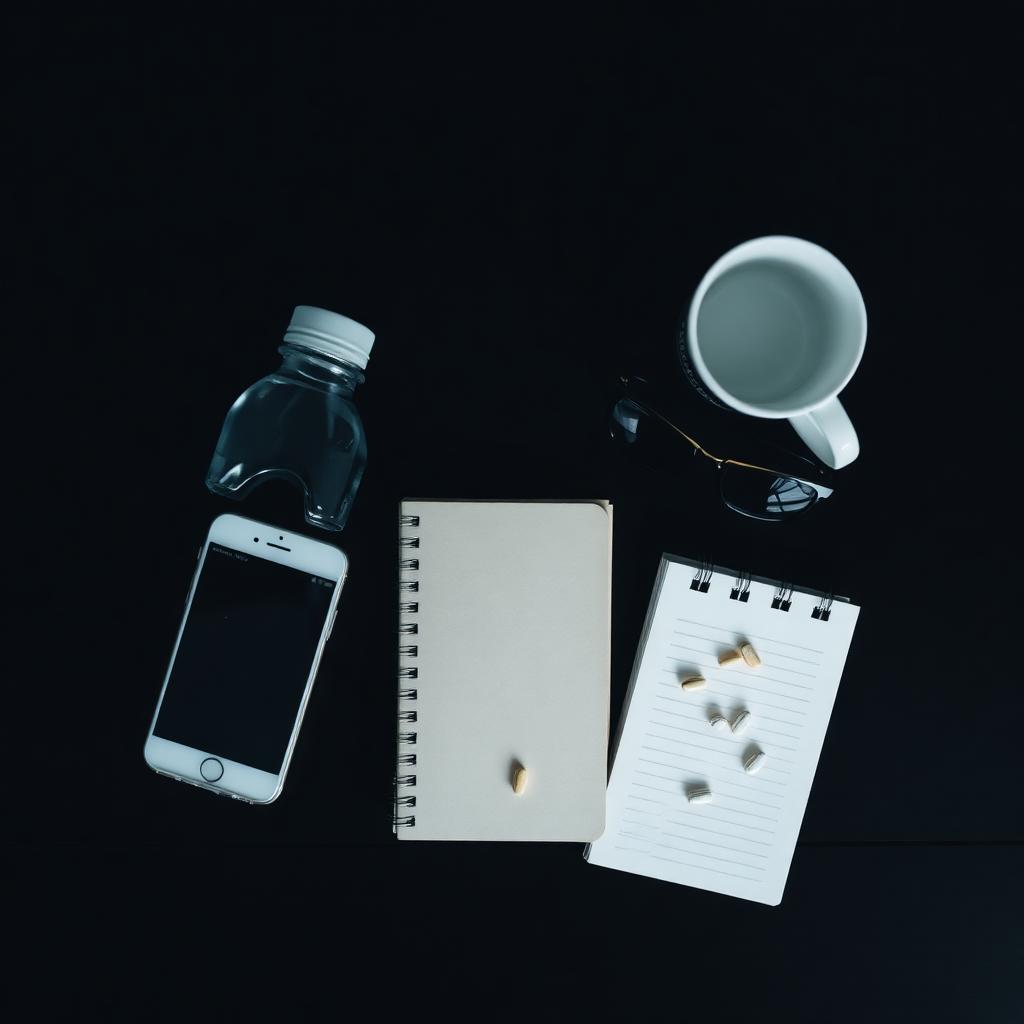
Most people know the word 'trigger,' but very few can actually see their own patterns without tracking. Once you can name them, you can start to outflank them.
Stress (50 to 70% of attacks). Stress hormones shift the brain's threshold for pain signals — which is why attacks often hit on the first calm day after a hard week.
Hormonal changes, especially estrogen drops. This is the main reason migraine affects women roughly three times more often than men, with menstruation as a key risk window.
Sleep disruption. Irregular schedules and 'weekend oversleep' are strongly linked to attacks, many of which strike between 4 and 9 a.m.
Dehydration. About 1 in 3 sufferers report this as a trigger. Blood volume and electrolyte shifts directly activate pain pathways.
Sensory stimuli. Bright or flickering light, loud sounds, strong odors. Migraine brains are measurably more sensitive even between attacks.
Food and drink. Skipping meals, caffeine swings, alcohol. Highly individual — there is no universal food trigger list.
Weather and barometric pressure. Sudden changes or temperature extremes are reported by a large share of sufferers.
Physical exertion, strong smells, and medication overuse round out the top ten — each with its own neurological mechanism, none of which affect everyone.
The point is not to fear every item on the list. It is to learn your personal pattern. Keep a simple log for two weeks — date, sleep, stress, food, environment, symptoms — and the patterns usually become obvious.
Sources: American Migraine Foundation, Migraine Trust triggers guide, MedlinePlus, CDC photophobia/phonophobia data.
Keep reading
Natural Migraine Relief: A Drug-Free Guide That Actually Works
A practical, evidence-backed playbook for relieving migraine without medication — compression, temperature, breathing, sleep, nutrients, and the order to try them in.
Why Squeezing Your Head Actually Helps Migraine (The Science)
The desperate sock-around-the-head trick is real first aid. Here is the peer-reviewed science behind why scalp compression works.