
Buyer's Guide
Why Migraine Headbands and Ice Caps Work (For a While) — And What to Look For
May 6, 2026 · 9 min read
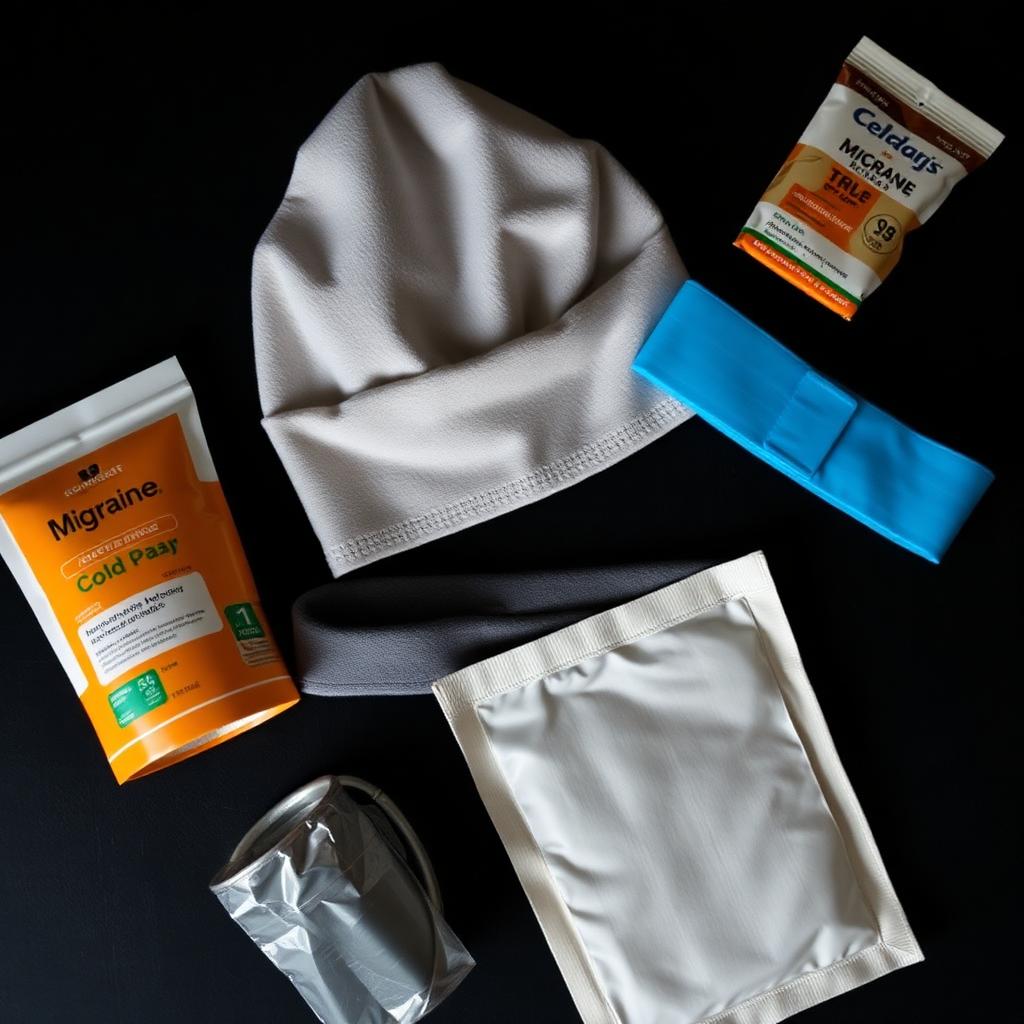
Most chronic migraine sufferers have a drawer somewhere full of half-used headache products that 'sort of worked' — and a real amount of money lost. Here is how to think about the category before you buy the next one.
Compression headbands. Mechanical pressure on the scalp and temporal vessels. Directly supported by clinical studies: 87% headache relief (1993), 52.5% attack reduction by month two (2009). Works best when used early in an attack.
Cold and gel caps. Temperature change plus mild compression. The most popular home tool, with about 31.8% pain reduction at 30 minutes in the Neurology RCT — but quality varies wildly.
Neuromodulation devices (Cefaly, GammaCore, Nerivio). Electrical or magnetic nerve stimulation. FDA-cleared, often genuinely effective, but expensive and prescription-required in some cases.
Where most products fall short. Gel caps start painfully cold, warm up in 10 to 20 minutes, weigh around 8 oz, slide off when you side-sleep, and force you to buy 3 to 8 of them just to ride out a long attack. Electronic massagers introduce mechanical humming, LED startup lights, undulating air cycles when you want constant squeeze, and synthetic leather odors — all of which can trigger nausea in a migraine brain.
A buyer's checklist worth screenshotting:
Duration. Does it stay effective through a full attack (which can last 4 to 72 hours)?
Weight and comfort. Can you lie on your side or actually sleep in it?
Pressure distribution. Even, comfortable contact — or painful pressure points?
Sensory safety. Is it silent? No bright lights? Neutral or no odor? Non-toxic materials?
Adjustability. Can you control tightness, temperature, and duration?
Risk. Is there a trial period or guarantee, so a bad fit does not cost you?
MELT was built against this exact checklist — constant, sensory-safe compression for people who have already tried the rest of the drawer.
Sources: PubMed 8436498, PubMed 19333203, Neurology neck cooling RCT, PMC1697736, GoodRx FDA device overview.
Keep reading

Natural Migraine Relief: A Drug-Free Guide That Actually Works
A practical, evidence-backed playbook for relieving migraine without medication — compression, temperature, breathing, sleep, nutrients, and the order to try them in.
Why Squeezing Your Head Actually Helps Migraine (The Science)
The desperate sock-around-the-head trick is real first aid. Here is the peer-reviewed science behind why scalp compression works.