
How To
Cold vs. Heat for Migraine: What the Research Actually Says
June 3, 2026 · 6 min read
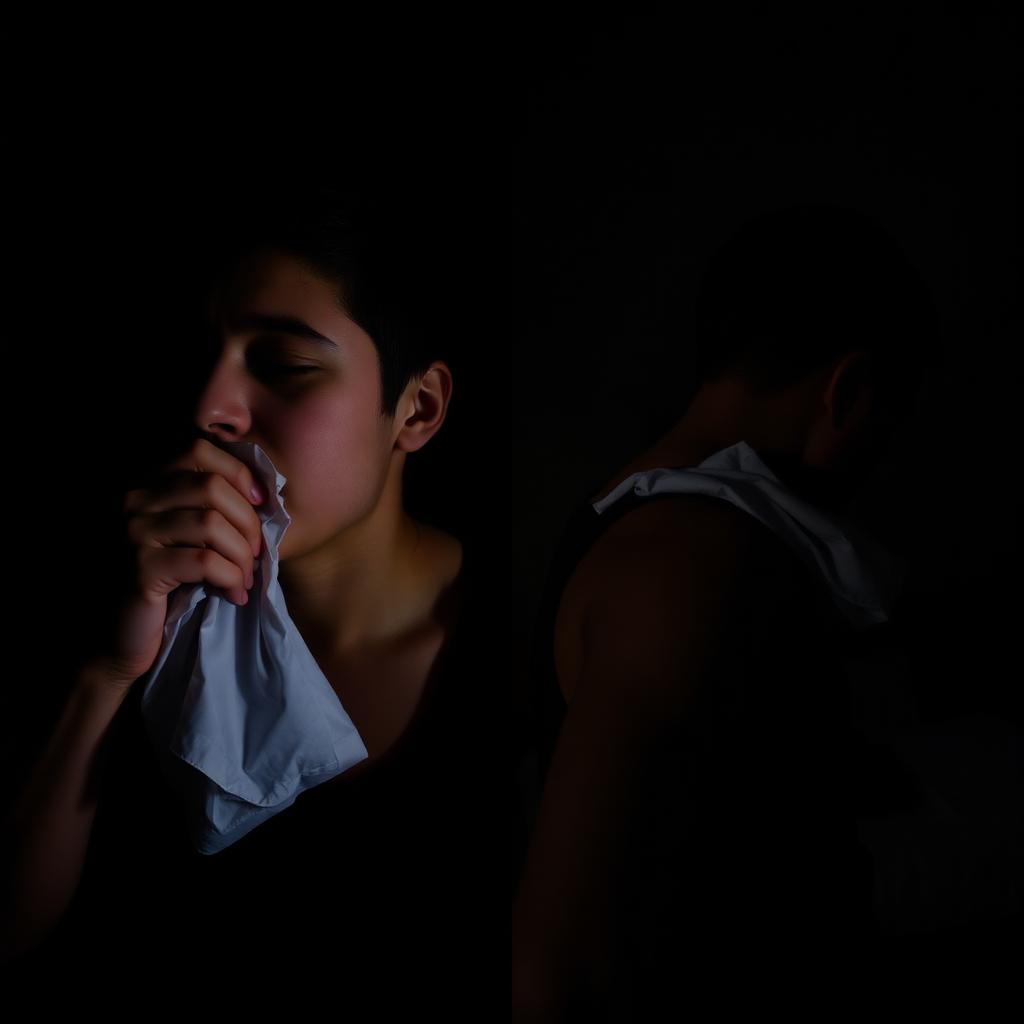
Cold or heat? Most migraine sufferers ping-pong between the two without ever knowing which one fits the attack they are actually having. The answer is in the type of pain.
A 2014 Neurology RCT tested a freezable neck wrap placed over the carotid arteries. At 30 minutes, the cooling group reported about a 31.8% decrease in pain — while the non-cooled control group reported a 31.5% increase. Same time, opposite directions.
Both heat and cold have been shown in RCTs to reduce migraine-type headache intensity compared with no treatment at all. The trick is matching the tool to the moment.
Cold helps most early in an attack, when the pain is throbbing or vascular. Apply to the forehead, temples, or back of the neck in 15 to 20 minute intervals. The neck and carotid region has the strongest RCT support for short-term pain reduction.
Heat helps most when neck and shoulder muscle tension is the dominant driver — the pain feels less like a throb and more like a tight band cinching the base of your skull.
Here is the catch nobody talks about: most gel ice caps start painfully cold, then warm up in 10 to 20 minutes. You end up with a gap between 'too cold to wear' and 'no longer doing anything.' Effective migraine therapy has to last as long as the attack does.
Sources: Neurology (2014) targeted neck cooling RCT, American Migraine Foundation home remedies guide, Mayo Clinic temperature therapy guidance, PMC1697736 open-label cold therapy study.
Keep reading

Natural Migraine Relief: A Drug-Free Guide That Actually Works
A practical, evidence-backed playbook for relieving migraine without medication — compression, temperature, breathing, sleep, nutrients, and the order to try them in.

Why Squeezing Your Head Actually Helps Migraine (The Science)
The desperate sock-around-the-head trick is real first aid. Here is the peer-reviewed science behind why scalp compression works.