
The Science
Can Massage Really Help Migraine? What the Studies Show
May 27, 2026 · 6 min read
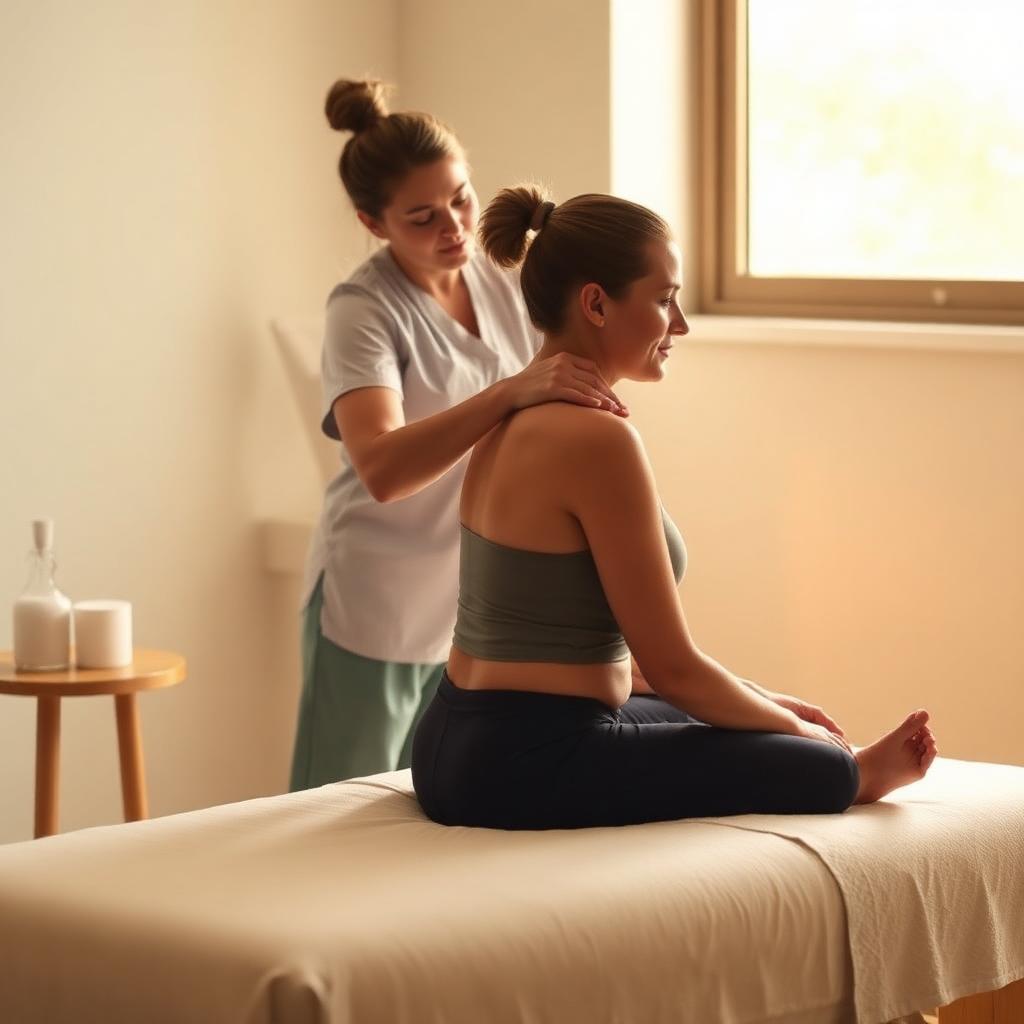
There is a quiet assumption that massage is a spa luxury — pleasant, but not a real neurological treatment. The controlled trials say otherwise.
A 47-person RCT published in the Annals of Behavioral Medicine in 2006 found the massage group had fewer migraine days and better sleep than the control group. Sessions measurably reduced anxiety, heart rate, and cortisol — the physiological signature of a calmer nervous system. (PubMed ID: 16827629)
A separate trial of connective tissue massage (CTM) in women with migraine found CTM produced significantly better pain scores, fewer accompanying symptoms, and improved disability and quality-of-life ratings (HIT-6, MIDAS) versus an education-only control.
Why does it work? Three mechanisms, none of them mystical. One: it relaxes the neck, shoulder, and upper back muscles that trigger or sustain headaches. Two: it improves local circulation. Three: it down-regulates the nervous system, lowering the brain's overall pain sensitivity.
Honest limits: the studies are small, blinding is hard with hands-on therapy, and the effects are modest. Massage works best as part of a broader plan — not as a single fix.
And not everyone can book regular professional sessions. That is why at-home pressure tools matter: they apply the same principle of gentle, sustained mechanical input — only on your schedule, in your living room, the moment the warning signs show up.
Keep reading
Natural Migraine Relief: A Drug-Free Guide That Actually Works
A practical, evidence-backed playbook for relieving migraine without medication — compression, temperature, breathing, sleep, nutrients, and the order to try them in.

Why Squeezing Your Head Actually Helps Migraine (The Science)
The desperate sock-around-the-head trick is real first aid. Here is the peer-reviewed science behind why scalp compression works.